ARTS_第3周

Algorithm

Review

Tip

  1. 注册退出进程时的回调
1
2
3
4
5
6
7
8
9
10
11
12
13
14
15
16
17
18
19
20
21
22
23
24
25
26
27
28
29
30
31
32
33
34
#include <stdio.h>
#include <stdlib.h>

void exit1(void);
void exit2(void);

int main(int argc, char* argv[]) {
if (atexit(exit1) != 0) {
printf("attext exit1 error\n");
return 1;
}

if (atexit(exit1) != 0) {
printf("attext exit1 error\n");
return 1;
}

if (atexit(exit2) != 0) {
printf("attext exit2 error\n");
return 1;
}

printf("main return\n");

return 0;
}

void exit1() {
printf("call exit1\n");
}

void exit2() {
printf("call exit2\n");
}
  1. 设置和获取环境变量
1
2
3
4
5
6
7
8
9
10
11
12
13
14
15
16
17
18
19
20
21
22
23
24
25
26
27
28
29
#include <stdio.h>
#include <stdlib.h>

void print_env(char*);

int main(int argc, char* argv[]) {
if (putenv("MING=9988") != 0) {
printf("putenv error\n");
return 1;
}
print_env("MING");

if (unsetenv("MING") < 0) {
printf("unsetenv error\n");
return 1;
}
print_env("MING");

return 0;
}

void print_env(char* name) {
char* path = getenv(name);
if (path) {
printf("%s\n", path);
} else {
printf("not found\n");
}
}
  1. 异常控制setjmp/longjmp
1
2
3
4
5
6
7
8
9
10
11
12
13
14
15
16
17
18
19
20
21
22
23
24
25
26
27
28
29
30
31
32
33
#include <stdio.h>
#include <setjmp.h>

jmp_buf jmpbuffer;

void func1();
void func2();

int main(int argc, char* argv[]) {
int val = setjmp(jmpbuffer);
if (val == 0) {
printf("000 setjmp val=%d\n", val);
} else {
printf("setjmp val=%d\n", val);
return 1;
}

func1();
printf("main return\n");
return 0;
}

void func1() {
printf("call func1 start\n");
func2();
printf("call func1 end\n");
}

void func2() {
printf("call func2 start\n");
longjmp(jmpbuffer, 10);
printf("call func2 end\n");
}
  1. fork
1
2
3
4
5
6
7
8
9
10
11
12
13
14
15
16
17
18
19
20
21
22
#include <stdio.h>
#include <unistd.h>

int main(int argc, char const *argv[])
{
//setbuf(stdout, NULL);
printf("start...\n");
fflush(stdout);
printf("nani...\n");

int a = 0;
pid_t pid = fork();
if (pid == 0) {
a = 10;
} else {
a--;
sleep(2);
}

printf("pid=%d, a=%d\n", getpid(), a);
return 0;
}
  1. vfork
1
2
3
4
5
6
7
8
9
10
11
12
13
14
15
16
17
18
19
20
21
22
23
#include <stdio.h>
#include <unistd.h>
#include <stdlib.h>

int main(int argc, char const *argv[])
{
printf("vfork begin");

int a = 0;
pid_t pid = vfork();
if (pid < 0) {
printf("vfork error\n");
}

if (pid == 0) {
a = 10;
//sleep(2);
exit(0);
}

printf("pid=%d, a=%d\n", getpid(), a);
return 0;
}

6.wait

1
2
3
4
5
6
7
8
9
10
11
12
13
14
15
16
17
18
19
20
21
22
23
24
25
26
27
28
29
30
31
32
33
34
35
36
37
38
39
40
41
42
#include <stdio.h>
#include <sys/wait.h>
#include <stdlib.h>
#include <unistd.h>

void pr_exit(int status);

int main(int argc, char const *argv[])
{
int status;
pid_t pid = fork();
if (pid < 0) {
printf("fork error\n");
} else if (pid == 0) {
printf("child work pid=%d\n", pid);
//exit(4);
//abort();
status /= 0;
}

if (wait(&status) != pid) {
printf("wait error\n");
}

pr_exit(status);
return 0;
}

void pr_exit(int status) {
if (WIFEXITED(status)) {
printf("WIFEXITED\n");

} else if (WIFSIGNALED(status)) {
printf("WIFSIGNALED\n");

} else if (WIFSTOPPED(status)) {
printf("WIFSTOPPED\n");

} else if (WIFCONTINUED(status)) {
printf("WIFCONTINUED\n");
}
}
  1. waitpid
1
2
3
4
5
6
7
8
9
10
11
12
13
14
15
16
17
18
19
20
21
22
23
24
25
26
27
28
29
30
31
#include <stdio.h>
#include <sys/wait.h>
#include <unistd.h>
#include <stdlib.h>

int main(int argc, char const *argv[])
{
pid_t pid = fork();
if (pid < 0) {
printf("fork error\n");
} else if (pid == 0) {
printf("child proc start\n");
sleep(4);
printf("child proc end\n");
// if ((pid = fork()) > 0) {
// exit(0);
// } else {
// printf("child 2 proc start ppid=%d\n", getppid());
// sleep(3);
// }
exit(0);
}

int status;
if (waitpid(pid, &status, 0) == 0) {
printf("waitpid error\n");
}

printf("waitpid end ppid=%d\n", getppid());
return 0;
}
  1. exec
1
2
3
4
5
6
7
8
9
10
11
12
13
14
15
// show_argc
#include <stdio.h>
#include <unistd.h>

int main(int argc, char const *argv[])
{
for (int i=0; i<argc; i++) {
printf("argv[%d]=%s\n", i, argv[i]);
}

for (char** p=__environ; *p != 0; p++) {
printf("%s\n", *p);
}
return 0;
}
1
2
3
4
5
6
7
8
9
10
11
12
13
14
15
16
17
18
19
20
21
22
23
24
25
26
27
28
29

#include <stdio.h>
#include <unistd.h>
#include <sys/wait.h>

int main(int argc, char const *argv[])
{
char* env[] = {
"MING=333000",
"PATH=.",
NULL
};
pid_t pid = fork();
if (pid < 0) {
printf("fork error\n");
} else if (pid == 0) {
//if (execle("/home/ming/_work/apue/chapter8/show_argc", "aaaa", "bbbb", (char*)0, env) < 0) {
if (execle("show_argc", "aaaa", "bbbb", (char*)0, env) < 0) {
printf("execle error\n");
}
}

if (waitpid(pid, NULL, 0) == 0) {
printf("waitpid error\n");
}

printf("main end\n");
return 0;
}

Share

  • 经济状态

  1. 难知如阴,最近黄金冲破1800美金,感觉经济越来越动荡了。
  • linux文件系统

  1. 文件系统是什么?

  2. 文件系统为什么存在?
    因为unix系统把所有东西当作IO的目标,一切皆可IO,因为IO操作的目标分很多类,所以unix抽象了不同的类型的文件。文件太多了,查找和修改就会不方便,因此,要有一个管理系统,这就是文件系统。

  3. 文件系统的数据结构是怎样的?
    文件系统的的数据结构,主要分三部分:

    • 文件描述符表
    • 文件状态表
    • 文件inode表
  • 很多时候,你觉得你是在写代码,但其实,你并不知道自己在干什么。

ARTS_第2周

Algorithm

Review

Exceptions in Java

  1. java异常和错误的区别:

    • 错误是严重的,不能被try catch的
    • 异常可用被try catch, 然后继续执行的
  2. jvm怎样处理异常:

    1. 递归搜索调用栈的代码,找到匹配异常的处理代码
    2. 如果找到,就执行对应的handle
    3. 如果没找到,就执行默认的handle,默认就是在标准输出打印异常信息(异常对象里包含了异常的信息)
  3. 程序员怎样处理异常
    bala bala…一些基础的废话

Tip

  1. 拷贝文件
1
2
3
4
5
6
7
8
9
10
11
12
13
14
15
16
17
18
19
20
21
22
23
24
25
26
27
28
29
30
31
32
33
#include <unistd.h> 
#include <stdio.h>
#include <fcntl.h>
#include <stdlib.h>

#define FILE_MODE (S_IRUSR | S_IWUSR | S_IRGRP | S_IROTH)
#define BUFFER_SIZE 4096

int main(int argc, char* argv[]) {
int srcfd = open(argv[1], O_RDONLY);
int destfd = open(argv[2], O_WRONLY | O_CREAT | O_TRUNC, FILE_MODE);
printf("srcfd=%d\n", srcfd);
printf("destfd=%d\n", destfd);

int n;
char buf[BUFFER_SIZE];
while ((n = read(srcfd, buf, BUFFER_SIZE)) > 0) {
if (write(destfd, buf, n) != n) {
printf("write error\n");
exit(1);
}
}

if (n < 0) {
printf("read error\n");
}

if (close(srcfd) == -1 || close(destfd) == -1) {
printf("close file error\n");
}

exit(0);
}
  1. 以字符查看文件

    1
    2
    3
    4
    ming@ming_server:~/_work/apue/chapter3$ od -c 11 
    0000000 n e w f d = 1 \n 1 2 3 4 5 6 7 8
    0000020 9 \n
    0000022
  2. 文件描述符重定向,demo是把标准输出重定向到argv[1]的文件

    1
    2
    3
    4
    5
    6
    7
    8
    9
    10
    11
    12
    13
    14
    15
    16
    17
    18
    19
    20
    21
    22
    23
    24
    25
    26
    27
    28
    29
    30
    31
    32
    33
    34
    #include <unistd.h>
    #include <stdio.h>
    #include <fcntl.h>
    #include <stdlib.h>

    #define BUFFER_SIZE 4096

    int main(int argc, char* argv[]) {
    int fd = open(argv[1], O_RDWR);
    if (fd == -1) {
    printf("open error\n");
    exit(1);
    }

    int newfd = dup2(fd, STDOUT_FILENO);
    if (newfd == -1) {
    printf("dup2 error\n");
    exit(2);
    }

    printf("newfd=%d\n", newfd);

    int n;
    char buf[BUFFER_SIZE];
    while ((n = read(STDIN_FILENO, buf, BUFFER_SIZE)) > 0) {
    printf("%s", buf);
    }

    if (n < 0) {
    printf("read error\n");
    }

    return 0;
    }
  3. 查看进程的虚拟内存

    1
    2
    3
    4
    5
    6
    7
    8
    #include <stdio.h>

    int main() {
    printf("pid=%ld\n", getpid());
    getchar();
    printf("exit");
    return 0;
    }
    1
    2
    3
    4
    5
    6
    7
    8
    9
    10
    11
    12
    13
    14
    15
    16
    17
    18
    19
    ming@ming_server:~/_work$ cat /proc/29858/maps 
    561c252dc000-561c252dd000 r-xp 00000000 08:02 424368 /home/ming/_work/apue/chapter3/a.out
    561c254dc000-561c254dd000 r--p 00000000 08:02 424368 /home/ming/_work/apue/chapter3/a.out
    561c254dd000-561c254de000 rw-p 00001000 08:02 424368 /home/ming/_work/apue/chapter3/a.out
    561c267fd000-561c2681e000 rw-p 00000000 00:00 0 [heap]
    7f4f196a3000-7f4f1988a000 r-xp 00000000 08:02 136752 /lib/x86_64-linux-gnu/libc-2.27.so
    7f4f1988a000-7f4f19a8a000 ---p 001e7000 08:02 136752 /lib/x86_64-linux-gnu/libc-2.27.so
    7f4f19a8a000-7f4f19a8e000 r--p 001e7000 08:02 136752 /lib/x86_64-linux-gnu/libc-2.27.so
    7f4f19a8e000-7f4f19a90000 rw-p 001eb000 08:02 136752 /lib/x86_64-linux-gnu/libc-2.27.so
    7f4f19a90000-7f4f19a94000 rw-p 00000000 00:00 0
    7f4f19a94000-7f4f19abb000 r-xp 00000000 08:02 131706 /lib/x86_64-linux-gnu/ld-2.27.so
    7f4f19cb2000-7f4f19cb4000 rw-p 00000000 00:00 0
    7f4f19cbb000-7f4f19cbc000 r--p 00027000 08:02 131706 /lib/x86_64-linux-gnu/ld-2.27.so
    7f4f19cbc000-7f4f19cbd000 rw-p 00028000 08:02 131706 /lib/x86_64-linux-gnu/ld-2.27.so
    7f4f19cbd000-7f4f19cbe000 rw-p 00000000 00:00 0
    7fff83fcb000-7fff83fec000 rw-p 00000000 00:00 0 [stack]
    7fff83ff9000-7fff83ffc000 r--p 00000000 00:00 0 [vvar]
    7fff83ffc000-7fff83ffe000 r-xp 00000000 00:00 0 [vdso]
    ffffffffff600000-ffffffffff601000 r-xp 00000000 00:00 0 [vsyscall]
  4. fcntl, 获取文件状态标志

    1
    2
    3
    4
    5
    6
    7
    8
    9
    10
    11
    12
    13
    14
    15
    16
    17
    18
    19
    20
    21
    22
    23
    24
    25
    26
    27
    #include <stdio.h>
    #include <fcntl.h>

    int main(int argc, char* argv[]) {
    int val = fcntl(atoi(argv[1]), F_GETFL);
    if (val == -1) {
    printf("fcntl error");
    return 1;
    }

    switch (val & O_ACCMODE) {
    case O_RDONLY:
    printf("O_RDONLY");
    break;
    case O_WRONLY:
    printf("O_WRONLY");
    break;
    case O_RDWR:
    printf("O_RDWR");
    break;
    default:
    break;
    }
    printf("\n");
    getchar();
    return 0;
    }
  5. fcntl, 设置文件状态标志

    1
    2
    3
    4
    5
    6
    7
    8
    9
    10
    11
    12
    13
    14
    15
    16
    17
    18
    19
    20
    21
    22
    23
    24
    25
    26
    27
    28
    29
    30
    31
    32
    #include <stdio.h>
    #include <fcntl.h>

    int main(int argc, char* argv[]) {
    int fd = open(argv[1], O_RDWR);
    if (fd == -1) {
    printf("open error");
    return 0;
    }

    set_fl(fd, O_APPEND);

    int res = dprintf(fd, "aaaaa\n");
    printf("res=%d\n", res);
    return 0;
    }

    void set_fl(int fd, int flags) {
    int val = fcntl(fd, F_GETFL);
    printf("get=%d\n", val);
    if (val == -1) {
    printf("get error");
    return 0;
    }

    val |= flags;
    printf("val=%d\n", val);
    int res = fcntl(fd, F_SETFL, val);
    if (res == -1) {
    printf("set error");
    }
    }
  6. 如果以O_APPEND打开文件,lseek只对读生效,每次写,会自动seek到文件末尾

    1
    2
    3
    4
    5
    6
    7
    8
    9
    10
    11
    12
    13
    14
    15
    16
    17
    18
    19
    20
    21
    22
    23
    24
    25
    26
    27
    28
    29
    30
    31
    32
    33
    34
    35
    36
    37
    38
    39
    #include <stdio.h>
    #include <fcntl.h>
    #include <unistd.h>

    #define BUFFERSIZE 4096

    int main(int argc, char* argv[]) {
    int fd;
    if ((fd = open(argv[1], O_RDWR | O_APPEND)) == -1) {
    printf("open error\n");
    return 1;
    }

    char buf[BUFFERSIZE];
    int n = read(fd, buf, BUFFERSIZE);
    if (n < 0) {
    printf("read error\n");
    return 2;
    }
    printf("pre seek: %s\n", buf);

    if (lseek(fd, 10, SEEK_SET) == -1) {
    printf("lseek error");
    return 3;
    }

    n = read(fd, buf, BUFFERSIZE);
    if (n < 0) {
    printf("read error\n");
    return 2;
    }
    printf("after seek: %s\n", buf);

    dup2(fd, STDOUT_FILENO);

    printf("\nnani\n");

    return 0;
    }
  7. 获取文件类型

1
2
3
4
5
6
7
8
9
10
11
12
13
14
15
16
17
18
19
20
21
22
23
24
25
26
27
28
29
30
31
32
33
#include <stdio.h>
#include <sys/stat.h>

int main(int argc, char* argv[]) {
struct stat buf;
for (int i=1; i<argc; i++) {
printf("%s: ", argv[i]);
if (stat(argv[i], &buf) < 0) {
printf("lstat error");
continue;
}

if (S_ISREG(buf.st_mode)) {
printf("regular");
} else if (S_ISDIR(buf.st_mode)) {
printf("dir");
} else if (S_ISCHR(buf.st_mode)) {
printf("chr");
} else if (S_ISBLK(buf.st_mode)) {
printf("blk");
} else if (S_ISFIFO(buf.st_mode)) {
printf("fifo");
} else if (S_ISLNK(buf.st_mode)) {
printf("link");
} else if (S_ISSOCK(buf.st_mode)) {
printf("sock");
} else {
printf("other");
}
printf("\n");
}
return 0;
}
  1. 判断是否有访问权限
1
2
3
4
5
6
7
8
9
10
11
12
13
14
15
16
17
18
#include <stdio.h>
#include <unistd.h>
#include <fcntl.h>

int main(int argc, char* argv[]) {
if (access(argv[1], R_OK) == 0) {
printf("read ok\n");
} else {
printf("access error\n");
}

if (open(argv[1], O_RDONLY) < 0) {
printf("open error\n");
} else {
printf("open ok\n");
}
return 0;
}
  1. 文件权限掩码
1
2
3
4
5
6
7
8
9
10
11
12
13
14
15
16
17
18
19
#include <stdio.h>
#include <fcntl.h>
#include <sys/stat.h>

#define RWRWRW (S_IRUSR | S_IWUSR | S_IRGRP | S_IWGRP | S_IROTH | S_IWOTH)

int main(int argc, char* argv[]) {
umask(0);
if (creat("foo", RWRWRW) < 0) {
printf("foo error");
}

umask(S_IRGRP | S_IROTH | S_IWOTH);
if (creat("bar", RWRWRW) < 0) {
printf("bar error");
}

return 0;
}
  1. 文件系统的数据结构
    主要分4个部分:

    1. 文件描述符表, 包括索引和文件表的指针
    2. 文件表, 字段包括文件状态标记,文件当前偏移,inode指针
    3. inode节点,包括文件权限,block指针,读写block的时间,修改inode的时间
    4. block节点,主要包含数据
  2. 标准库的io
    标准库的io主要是对系统调用的封装,之所以要封装,是为了效率,因为每次系统调用的开销太大。封装主要是加了缓冲,分为三种缓冲:

    • 全缓冲
    • 行缓冲
    • 不缓冲
      只有满足flush的条件或缓冲区满的时候,才调用系统调用,写入内核的缓冲。
  3. 内存其实也可用被当作文件,进行读写,定位等。

1
2
3
4
5
6
7
8
9
10
11
12
13
14
15
16
17
18
19
20
21
22
23
24
25
26
#include <stdio.h>
#include <string.h>

#define BUFFER_SIZE 4096

int main(int argc, char* argv) {
char buf[BUFFER_SIZE];
memset(buf, '\0', BUFFER_SIZE);

FILE* fp = fmemopen(buf, BUFFER_SIZE, "w+");
if (!fp) {
printf("fmemopen error");
return 1;
}

printf("111->%s\n", buf);
getchar();

fprintf(fp, "hello world");
fflush(fp);
printf("222->%s\n", buf);

getchar();

return 0;
}

Share

  • 到目前为止(看完了前5章),apue这本书中,主要讲了IO,包括文件操作,目录操作,内核中文件的数据结构,文件的权限和用户属性等,层次主要包括:系统调用和标准库的实现。
  • 其实对于一个unix进程来说,能干的事,全都包括在系统调用里,而IO是很重要的一部分,因为对于unix来说,所有跟读写相关的,全都被抽象成文件,比如:磁盘,内存,网卡等。之所以设计成这样,就是为了简化编程,统一成一类接口。其实,对于这种抽象也很好理解,就是把纷繁复杂的东西,做分类,然后,把自己要干的事,做成几个基本的原子操作。

ARTS_第1周

Algorithm

1.leecode300最长递增子序列

  • 标准的动态规划问题,也就是使用dp数组,保存了从[0,i]的最长递增子序列,避免了子问题的重复计算
1
2
3
4
5
6
7
8
9
10
11
12
13
14
15
16
17
18
19
20
21
22
23
public int lengthOfLIS(int[] nums) {
int size = nums.length;
if (size == 0) return 0;

int[] dp = new int[size];
for (int i=0; i<size; i++) {
dp[i] = 1;
}

for (int i=1; i<size; i++) {
for (int j=0; j<i; j++) {
if (nums[j] < nums[i]) {
dp[i] = Math.max(dp[i], dp[j]+1);
}
}
}

int max = 0;
for (int i=0; i<size; i++) {
max = Math.max(dp[i], max);
}
return max;
}
  • 对于这道题,如果想使用递归+备忘录的方式做,也可以,只不过有点别扭,因为无论是递归还是递推,都要把每个位置的最长上升子序列的长度求出来
  • 另外,这道题的递归,其实比较诡异,因为一般情况,递归是使用前一种状态,能够推导出下一种状态,但是这道题,是使用子问题中的多种状态,才能推导出当前状态。
1
2
3
4
5
6
7
8
9
10
11
12
13
14
15
16
17
18
19
20
21
22
23
24
25
26
27
28
29
30
31
32
public int lengthOfLIS(int[] nums) {
int size = nums.length;
if (size == 0) return 0;

int[] dp = new int[size];
for (int i=0; i<size; i++) {
dp[i] = 1;
}

for (int i=0; i<size; i++) {
help(nums, i);
}

int max = 0;
for (int i=0; i<size; i++) {
max = Math.max(dp[i], max);
}
return max;
}

private int help(int[] nums, int index) {
if (index == 0) return 1;
if (mem[index] >= 1) return mem[index];
int max = 0;
for (int i=0; i<index; i++) {
if (nums[i] < nums[index]) {
max = Math.max(help(nums, i), max);
}
}
mem[index] = max + 1;
return mem[index]
}

2.最大连续子数组的和

1
2
3
4
5
6
7
8
9
10
11
12
13
14
15
16
17
18
19
20
21
public int maxSubArray(int[] nums) {
if (nums.length == 0) return 0;

int[] dp = new int[nums.length];
dp[0] = nums[0];
for (int i=1; i<nums.length; i++) {
if (dp[i-1] > 0) {
dp[i] = dp[i-1] + nums[i];
} else {
dp[i] = Math.max(dp[i-1], nums[i]);
}
}

int max = dp[0];
for (int i=1; i<nums.length; i++) {
if (dp[i] > max) {
max = dp[i];
}
}
return max;
}
  • 与上一题类似,差别就是递推公式,只用到了前一个dp状态

3. 01背包

1
2
3
4
5
6
7
8
9
10
11
12
13
14
15
16
17
18
19
20
21
22
23
24
25
26
27
28
29
30
31
32
33
34
35
36
private static int knapsack01(int n, int maxW, int[] w, int[] p) {
int[][] dp = new int[n][maxW+1];
for (int i=0; i<n; i++) {
for (int j=0; j<maxW+1; j++) {
dp[i][j] = -1;
}
}

// 初始化第一行
dp[0][0] = 0;
if (w[0] <= maxW) dp[0][w[0]] = p[0];

for (int i=1; i<n; i++) {
// 不选i
for (int j=0; j<=maxW; j++) {
if (dp[i-1][j] < 0) continue;
dp[i][j] = dp[i-1][j];
}

// 选i
for (int j=0; j<=maxW; j++) {
if (dp[i-1][j] < 0) continue;
int x = j + w[i];
if (x > maxW) break;
dp[i][x] = Math.max(dp[i-1][x], dp[i-1][j]+p[i]);
}
}

int maxP = 0;
for (int i=0; i<maxW+1; i++) {
if (dp[n-1][i] > maxP) {
maxP = dp[n-1][i];
}
}
return maxP;
}

4.杨辉三角

1
2
3
4
5
6
7
8
9
10
11
12
13
14
15
16
17
18
private static class Node {
int val;
Node left;
Node right;

public Node(int val) {
this.val = val;
}
}

// 极客时间,从顶到底的最短路径
private int minLen(Node root, Map<Node, Integer> mem) {
if (root == null) return 0;
if (mem.containsKey(root)) return mem.get(root);
int res = root.val + Math.min(minLen(root.left, mem), minLen(root.right, mem));
mem.put(root, res);
return res;
}

参考1
dp问题分类

Review

Difference between Java IO and Java NIO

这篇文章介绍java IO和NIO的区别,主要包含如下差别

  1. 分别在java.io包和java.nio包
  2. io面向流, nio面向缓冲区
  3. io是阻塞的,nio非阻塞
  4. Channels, io不可用,nio可用
  5. io处理字节,nio处理数据块
  6. Selectors, io没有多路复用的概念,nio可以多路复用

Tip

  • 开始读apue,先下了apue的source code,编译,然后拷贝apue.h和error.c到/usr/include/。

  • 跑了三个demo:

  1. 简单实现ls命令

    1
    2
    3
    4
    5
    6
    7
    8
    9
    10
    11
    12
    13
    14
    15
    16
    17
    18
    19
    20
    21
    22
    23
    #include <apue.h>
    #include <error.c>
    #include <dirent.h>

    int main(int argc, char* argv[]) {
    DIR* dp;
    struct dirent* dirp;

    if (argc != 2) {
    err_quit("usage: ls dir_name");
    }

    if ((dp = opendir(argv[1])) == NULL) {
    err_sys("can't open %s", argv[1]);
    }

    while ((dirp = readdir(dp)) != NULL) {
    printf("%s\n", dirp->d_name);
    }

    closedir(dp);
    exit(0);
    }
  2. 用POSIX接口,read/write标准输入输出, ./in_out < infile > outfile

    1
    2
    3
    4
    5
    6
    7
    8
    9
    10
    11
    12
    13
    14
    15
    16
    17
    18
    19
    20
    21
    #include <apue.h>
    #include <error.c>

    #define BUF_SIZE 100

    int main(void) {
    int n;
    char buf[BUF_SIZE];

    while ((n = read(STDIN_FILENO, buf, BUF_SIZE)) > 0) {
    int count = write(STDOUT_FILENO, buf, n);
    if (count != n) {
    err_sys("write error!");
    }
    }

    if (n < 0) {
    err_sys("read error");
    }
    exit(0);
    }
  3. 使用标准库函数getc/putc(stdio.h), 做标准输入输出, 与2的区别就是,库函数中自带了缓冲,最终也是调用read/write

    1
    2
    3
    4
    5
    6
    7
    8
    9
    10
    11
    12
    13
    14
    15
    16
    #include <apue.h> 
    #include <error.c>

    int main() {
    int c;
    while ((c = getc(stdin)) != EOF) {
    if (EOF == putc(c, stdout)) {
    err_sys("putc EOF");
    }
    }

    if (ferror(stdin)) {
    err_sys("stdin EOF");
    }
    exit(0);
    }
  4. 进程相关,fork,execlp,getpid/getppid。

    1
    2
    3
    4
    5
    6
    7
    8
    9
    10
    11
    12
    13
    14
    15
    16
    17
    18
    19
    20
    21
    22
    23
    24
    25
    26
    27
    28
    29
    30
    31
    32
    33
    34
    #include <apue.h>
    #include <error.c>

    #define BUFFER_SIZE 100

    int main() {
    long pid;
    char buf[BUFFER_SIZE];
    int status;

    printf("%% ");
    while ((fgets(buf, BUFFER_SIZE, stdin)) != NULL) {
    int len = strlen(buf);
    if (buf[len-1] == '\n') {
    buf[len-1] = 0;
    }

    pid = fork();
    if (pid == 0) {
    execlp(buf, buf, (char*)0);
    err_ret("could'nt execute: %s", buf);
    exit(127);
    } else if (pid < 0) {
    err_sys("fork error!");
    }

    if ((pid = waitpid(pid, &status, 0)) < 0) {
    err_sys("waitpid error");
    }
    printf("%% ");
    }

    exit(0);
    }
  5. 出错处理,strerr, perror

    1
    2
    3
    4
    5
    6
    7
    8
    9
    10
    11
    #include <stdio.h>
    #include <string.h>
    #include <error.c>
    #include <errno.h>

    int main(int argc, char* argv[]) {
    fprintf(stderr, "EACCES: %s\n", strerror(EACCES));
    errno = ENOENT;
    perror(argv[0]);
    exit(0);
    }
  6. 用户id和组id

    1
    2
    3
    4
    5
    6
    #include <apue.h>

    int main() {
    printf("uid is %d, gid is %d\n", getuid(), getgid());
    exit(0);
    }
  7. 信号处理

    1
    2
    3
    4
    5
    6
    7
    if (signal(SIGINT, sig_int) == SIG_ERR) {
    err_sys("signal error");
    }

    void sig_int(int sig) {
    printf("\nsig_int-->%d\n", sig);
    }

Share

并发是他妈什么鬼

  • 站在单核的cpu的汇编指令层,是不存在并发的,指令永远是一条一条执行的,不可能同时执行两条指令。
  • 站在操作系统的层面,因为cpu的速度太快,不想等其他速度慢的设备(比如IO),所以操作系统制造了进程和线程的概念。
  • 站在应用层,操作系统提供了进程,为了方便的共享内存,在进程内,OS提供了线程。
  • 因为同一个进程内,多线程共享虚拟内存,由于并发的不确定性,所以太容易导致多个线程读写了同一块内存,出现意料之外的错误。因此,出现了锁的概念。
  • 锁按照从严格到宽松的顺序,互斥锁,信号量,临界区,读写锁,CAS。

NIO是他妈什么鬼

参考1
参考2
参考3

树相关leecode题目分类

遍历

  1. 树的深度优先遍历,前中后序(DFS)
1
2
3
4
5
6
7
8
9
10
11
12
13
14
15
16
17
18
19
20
private void dfs(TreeNode root) {
if (root == null) return;
list.add(root.val);
dfs(root.left);
dfs(root.right);
}

private void dfs(TreeNode root) {
if (root == null) return;
dfs(root.left);
list.add(root.val);
dfs(root.right);
}

private void dfs(List<Integer> list, TreeNode root) {
if (root == null) return;
dfs(list, root.left);
dfs(list, root.right);
list.add(root.val);
}
  1. 树的广度遍历(BFS)
1
2
3
4
5
6
7
8
9
10
11
12
13
14
15
16
17
18
19
20
21
22
23
24
25
public List<List<Integer>> levelOrder(TreeNode root) {
List<List<Integer>> result = new ArrayList<>();
if (root == null) return result;

Queue<TreeNode> queue = new LinkedList<>();
queue.offer(root);

while (queue.size() > 0) {
List<Integer> list = new ArrayList<>();
Queue<TreeNode> queue1 = new LinkedList<>();
while (queue.size() > 0) {
TreeNode node = queue.poll();
list.add(node.val);
if (node.left != null) {
queue1.offer(node.left);
}
if (node.right != null) {
queue1.offer(node.right);
}
}
result.add(list);
queue = queue1;
}
return result;
}
  1. 树的最大深度
1
2
3
4
public int maxDepth(TreeNode root) {
if (root == null) return 0;
return Math.max(maxDepth(root.left), maxDepth(root.right)) + 1;
}
  1. 判断树是否对称
1
2
3
4
5
6
7
8
9
10
public boolean isSymmetric(TreeNode root) {
if (root == null) return true;
return isSame(root.left, root.right);
}

private boolean isSame(TreeNode root1, TreeNode root2) {
if (root1 == null && root2 == null) return true;
if (root1 == null || root2 == null) return false;
return root1.val == root2.val && isSame(root1.left, root2.right) && isSame(root1.right, root2.left);
}
  1. 路径总和
1
2
3
4
5
6
public boolean hasPathSum(TreeNode root, int sum) {
if (root == null) return false;
int dx = sum - root.val;
if (dx == 0 && root.left == null && root.right == null) return true;
return hasPathSum(root.left, dx) || hasPathSum(root.right, dx);
}
  1. 树最近公共根节点
1
2
3
4
5
6
7
8
9
public TreeNode lowestCommonAncestor(TreeNode root, TreeNode p, TreeNode q) {
if (root == null) return null;
if (root == p || root == q) return root;
TreeNode leftNode = lowestCommonAncestor(root.left, p, q);
TreeNode rightNode = lowestCommonAncestor(root.right, p, q);
if (leftNode != null && rightNode != null) return root;
if (leftNode == null) return rightNode;
return leftNode;
}
  1. 平衡二叉树
  2. 比较两棵树是否相同

重建

  1. 根据中序遍历和后序遍历,重建二叉树
1
2
3
4
5
6
7
8
9
10
11
12
13
14
15
16
17
18
19
20
21
22
    public TreeNode buildTree(int[] inorder, int[] postorder) {
List<Integer> inorderList = new ArrayList<>();
for (int one : inorder) {
inorderList.add(one);
}
List<Integer> postorderList = new ArrayList<>();
for (int one : postorder) {
postorderList.add(one);
}
return subBuildTree(inorderList, postorderList);
}

public TreeNode subBuildTree(List<Integer> inorder, List<Integer> postorder) {
if (inorder.size() == 0 || postorder.size() == 0) return null;
int val = postorder.get(postorder.size()-1);
TreeNode root = new TreeNode(val);
int index = inorder.indexOf(val);
root.left = subBuildTree(inorder.subList(0, index), postorder.subList(0, index));
root.right = subBuildTree(inorder.subList(index+1, inorder.size()), postorder.subList(index, postorder.size()-1));
return root;
}
}
  1. 根据前序遍历和中序遍历,重建二叉树
1
2
3
4
5
6
7
8
9
10
11
12
13
14
15
16
17
18
19
20
21
22
public TreeNode buildTree(int[] preorder, int[] inorder) {
if (preorder.length == 0) return null;
HashMap<Integer, Integer> map = new HashMap<>();
for (int i=0; i<inorder.length; i++) {
map.put(inorder[i], i);
}
return build(map, preorder, 0, preorder.length-1, inorder, 0, inorder.length-1);
}

private TreeNode build(HashMap<Integer, Integer> map, int[] preorder, int preLeft, int preRight, int[] inorder, int inLeft, int inRight) {
if (preLeft > preRight) return null;
int val = preorder[preLeft];
TreeNode node = new TreeNode(val);
if (preLeft == preRight) return node;

int index = map.get(val);
int leftSize = index - inLeft;
int rightSize = inRight - index;
node.left = build(map, preorder, preLeft+1, preLeft+leftSize, inorder, inLeft, inLeft+leftSize-1);
node.right = build(map, preorder, preLeft+1+leftSize, preLeft+leftSize+rightSize, inorder, index+1, index+rightSize);
return node;
}

修剪

  1. 同层连接所有节点
1
2
3
4
5
6
7
8
9
10
11
12
13
public Node connect(Node root) {
if (root == null) return null;
conn(root.left, root.right);
return root;
}

private void conn(Node root1, Node root2) {
if (root1 == null || root2 == null) return;
root1.next = root2;
conn(root1.left, root1.right);
conn(root1.right, root2.left);
conn(root2.left, root2.right);
}
  1. 连接同层所以节点,非完全二叉树
1
2
3
4
5
6
7
8
9
10
11
12
13
14
15
16
17
18
19
public Node connect(Node root) {
if (root == null) return null;

Queue<Node> queue = new LinkedList<>();
queue.add(root);
while (queue.size() > 0) {
Node pre = null;
Queue<Node> tmp = new LinkedList<>();
while (queue.size() > 0) {
Node node = queue.poll();
if (pre != null) pre.next = node;
pre = node;
if (node.left != null) tmp.offer(node.left);
if (node.right != null) tmp.offer(node.right);
}
queue = tmp;
}
return root;
}

二叉搜索树

  1. 验证二叉搜索树
1
2
3
4
5
6
7
8
9
boolean valid = true;
TreeNode pre;
private void dfs(TreeNode root) {
if (!valid) return;
if (root == null) return;
dfs(root.left);
if (pre != null && pre.val >= root.val) valid = false;
pre = root;
dfs(root.right);
  1. 二叉搜索树迭代器
1
2
3
4
5
6
7
8
9
10
11
12
13
14
15
16
17
18
19
20
21
22
23
24
25
26
27
28
29
class BSTIterator {

Stack<TreeNode> stack = new Stack<>();
public BSTIterator(TreeNode root) {
if (root == null) return;
stack.push(root);
TreeNode p = root.left;
while (p != null) {
stack.push(p);
p = p.left;
}
}

/** @return the next smallest number */
public int next() {
TreeNode node = stack.pop();
TreeNode p = node.right;
while (p != null) {
stack.push(p);
p = p.left;
}
return node.val;
}

/** @return whether we have a next smallest number */
public boolean hasNext() {
return !stack.empty();
}
}
  1. 搜索BST
1
2
3
4
5
6
7
8
9
10
11
12
13
public TreeNode searchBST(TreeNode root, int val) {
TreeNode p = root;
while (p != null) {
if (p.val > val) {
p = p.left;
} else if (p.val < val) {
p = p.right;
} else {
return p;
}
}
return null;
}
  1. BST插入节点
1
2
3
4
5
6
7
8
9
10
11
12
13
14
15
16
17
18
19
20
public TreeNode insertIntoBST(TreeNode root, int val) {
if (root == null) return new TreeNode(val);
TreeNode p = root;
while (p != null) {
if (val > p.val) {
if (p.right == null) {
p.right = new TreeNode(val);
break;
}
p = p.right;
} else {
if (p.left == null) {
p.left = new TreeNode(val);
break;
}
p = p.left;
}
}
return root;
}

RSA数学原理

计算出公钥和私钥

  • 随便找两个质数p和q
1
假设:p=3,q=11
  • 求出n
1
n = p * q = 33
  • 求欧拉函数
1
y = (p-1)*(q-1)=20
  • 公钥e的约束(例如:e可以取7,满足条件1和2)
    1. 1<e<y
    2. e与y互为质数
  • 私钥d的约束(例如:d可以取3,满足条件1)
    1. (e*d)%y = 1

加密的方法

已知:e,n,m(明文),计算密文c
m的e次幂%n=c

解密的方法

已知:d,n,c(密文),计算m
c的d次幂%n=m

为什么RSA是安全的

e,n,c==>d==>y==>p,q==>则需要对n质因数分解

http1.1是怎样升级到http2.0的?

**** 背景知识1:****

  1. http协议是是基于tcp之上的协议。
  2. http2.0之前的版本是http1.1

*** 目标:***

  • 让client与server用http2.0通信

*** 问题推演:***

*** 在不知道server端的http版本的情况下,想要使用http2.0,需要什么手段?***

  • 因为通信之前,server和client都彼此不知道对方的http的协议版本,所以client只能先使用http1.1尝试通信
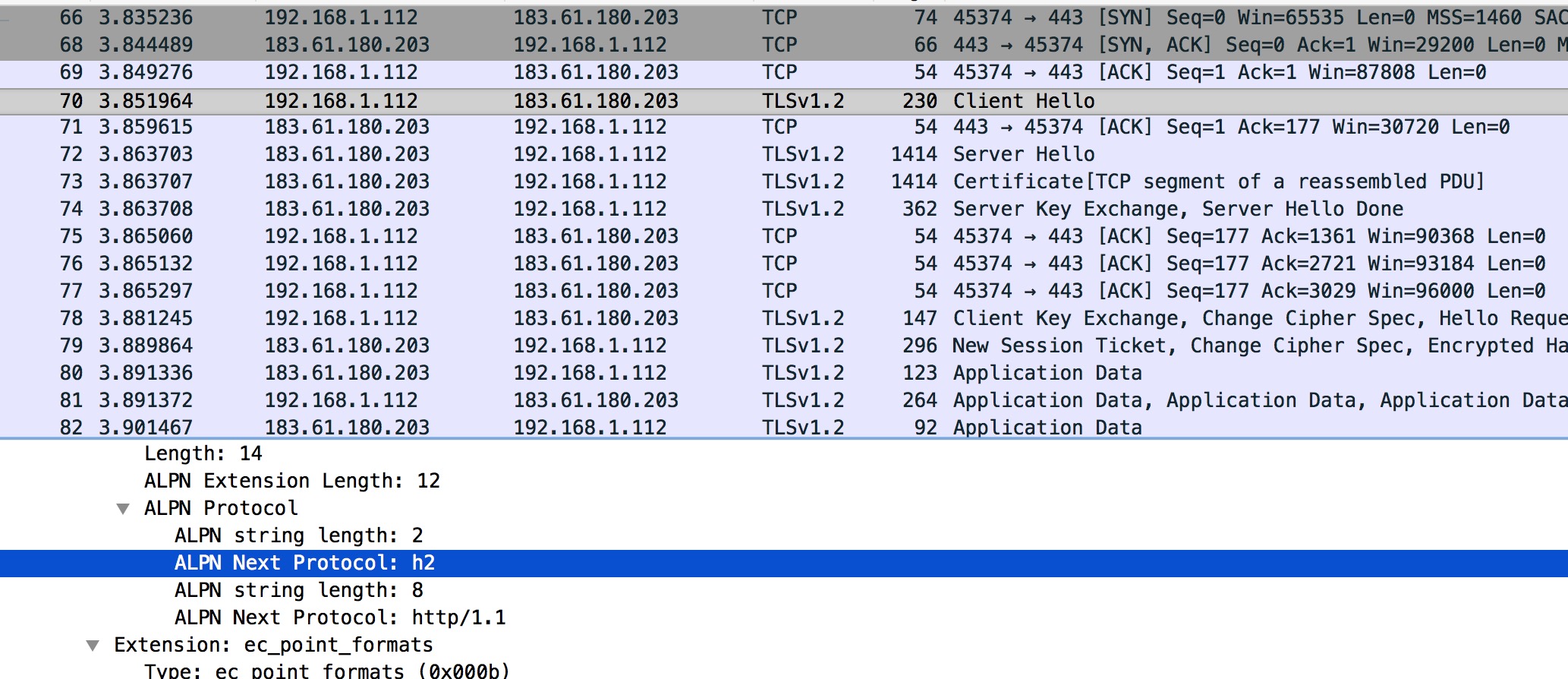
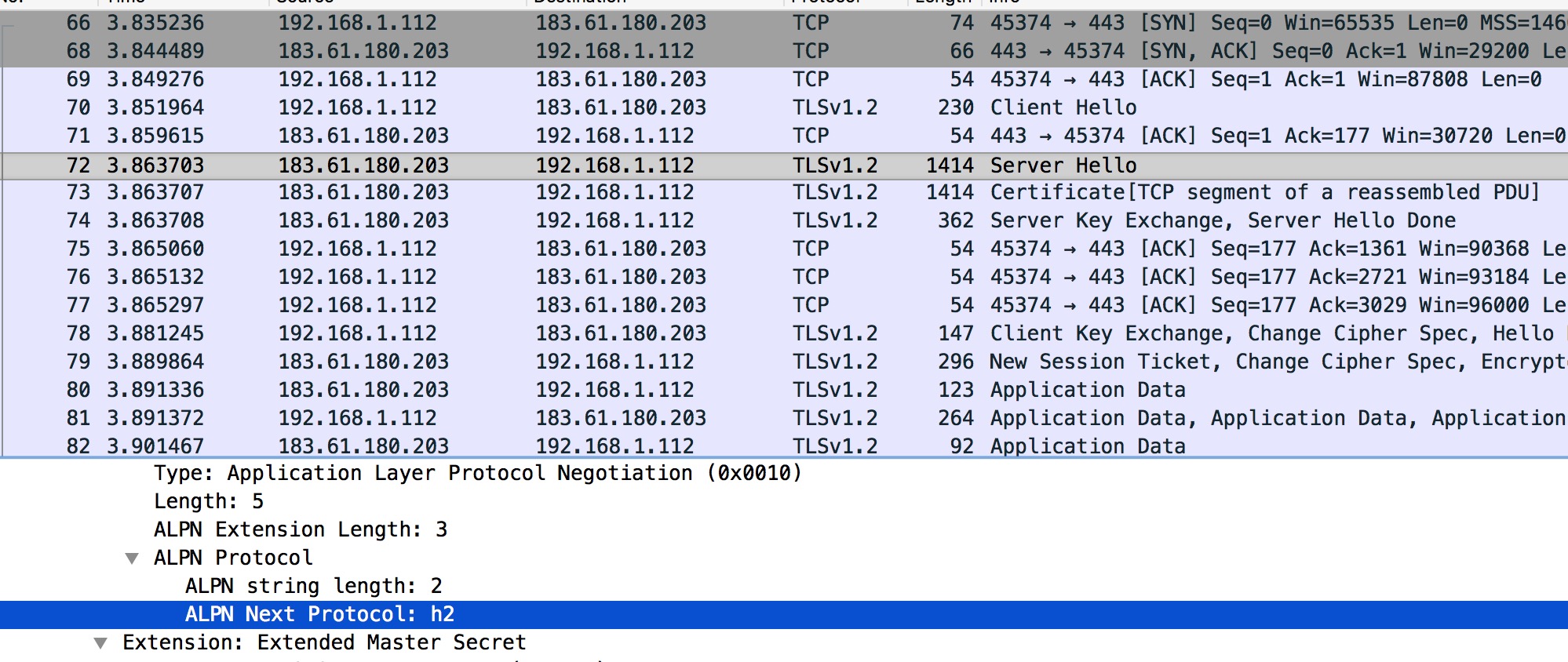
  • 因为client想要升级到http2.0,所以需要与server端协商使用http的版本,目前有两种协商协议:NPN和ALPN

*** NPN和ALPN的区别是什么?***

  • NPN 是服务端发送所支持的 HTTP 协议列表,由客户端选择;而 ALPN 是客户端发送所支持的 HTTP 协议列表,由服务端选择;
  • NPN 的协商结果是在 Change Cipher Spec 之后加密发送给服务端;而 ALPN 的协商结果是通过 Server Hello 明文发给客户端;

*** 用wireshark抓包(ALPN)发现,app中okhttp的请求,已经是http2.0了,为什么log中还显示http1.1?***

  • 因为添加拦截器(HttpLoggingInterceptor)的层级不对。
  1. addInterceptor添加的拦截器,打印请求行log时,长链接还没连上。
  2. addNetworkInterceptor是在协商之后才打印日志。

修改git log中的author邮箱

1
2
3
4
5
6
7
8
9
10
11
12
13
14
15
16
#!/bin/sh
git filter-branch --env-filter '
OLD_EMAIL="ming.liu@dfs168.com"
CORRECT_NAME="liumingmad"
CORRECT_EMAIL="liumingmad@gmail.com"
if [ "$GIT_COMMITTER_EMAIL" = "$OLD_EMAIL" ]
then
export GIT_COMMITTER_NAME="$CORRECT_NAME"
export GIT_COMMITTER_EMAIL="$CORRECT_EMAIL"
fi
if [ "$GIT_AUTHOR_EMAIL" = "$OLD_EMAIL" ]
then
export GIT_AUTHOR_NAME="$CORRECT_NAME"
export GIT_AUTHOR_EMAIL="$CORRECT_EMAIL"
fi
' --tag-name-filter cat -- --branches --tags